
Beyond being a cultural tradition in South America, yerba mate has concrete effects on the body that have been studied by science. Here's a look at its most well-supported benefits, along with the sources behind them.
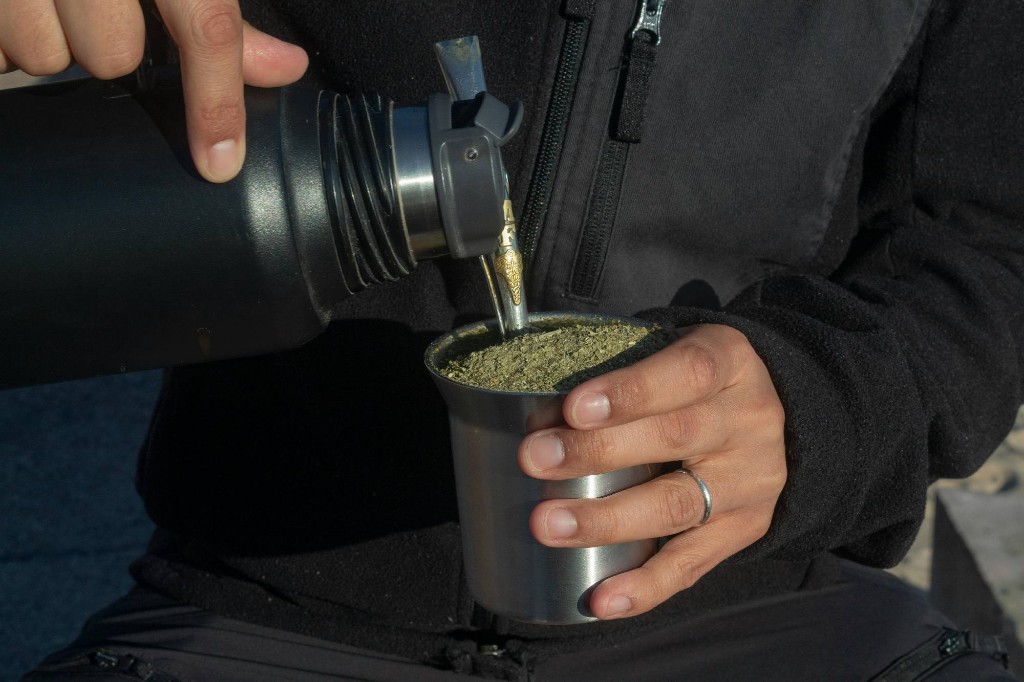
Quick note: yerba mate is a traditional South American drink made from the dried leaves of the Ilex paraguariensis plant, steeped in hot water and traditionally sipped through a metal straw called a bombilla.
Sustained Energy, Without the Coffee Crash
Did you know Ancestral Yerba Mate preserves these benefits thanks to its careful production process? Check it out in our store. 👉 [See Ancestral Yerba Mate]
According to the U.S. National Institutes of Health (NIH), yerba mate contains caffeine, theobromine, and other stimulant compounds that help boost energy and reduce fatigue. Unlike coffee, this combination of alkaloids produces a smoother, more stable energy release, improving both mental and physical performance without the sharp spike-and-crash pattern typical of other stimulant beverages.
Improved Focus and Cognitive Function
Studies backed by the NIH show that the combination of compounds in yerba mate can improve attention and mental performance. Research from Academia Sapiens on regular drinkers found that habitual consumers showed better cognitive performance under fatigue, thanks to the combined action of caffeine, flavonoids, theobromine, and theophylline on the central nervous system.
Physical Performance and Muscle Recovery
During exercise, yerba mate helps the body metabolize carbohydrates more efficiently and prevents lactic acid buildup, translating into greater endurance and less fatigue. A study published in the British Journal of Nutrition also found improved recovery rates after workout routines among yerba mate drinkers. A separate study on CrossFit athletes, published in Redalyc, recorded a significant reduction in workout completion time after consuming yerba mate tea, though the researchers themselves note that more studies are needed to confirm how far this effect extends.
Antioxidants Against Oxidative Stress
Yerba mate is rich in polyphenols and other antioxidants that help fight oxidative stress, according to reports linked to research from the Harvard T.H. Chan School of Public Health. These compounds neutralize the free radicals responsible for cellular damage associated with aging and various chronic diseases.
Effects on Cholesterol
One study found that yerba mate consumption improves lipid profiles in people with dyslipidemia, providing an additional reduction in LDL cholesterol even in those already taking statins. This is one of the most concrete findings regarding the cardiovascular benefits of regular consumption.
A Historical Medical Recognition
Here's a lesser-known fact: back in 1988, Germany's Commission E — a respected authority in the field of herbal medicine — officially recognized the medicinal use of yerba mate for combating physical and mental fatigue. This shows that its value isn't just a recent popular perception, but something with a documented medical history.
The Usual Caveats Apply
As with any caffeine-containing product, it's important to be mindful of risks like jitteriness or heart palpitations with excessive consumption. Many of these findings also come from individual studies that the researchers themselves flag as needing larger-scale trials to confirm.
Real Benefits, Backed by Science
Sustained energy, sharper focus, physical recovery, and cardiovascular benefits: the effects of yerba mate go beyond cultural tradition and are backed by real scientific research.
Experience these benefits with a quality yerba mate. Discover the full Ancestral Yerba Mate lineup. 👉 [Shop Ancestral Yerba Mate]
References
- National Institutes of Health - NIH (2026). Cited in El Diario NY: Natural Energy and Antioxidants, Yerba Mate Benefits.
- Academia Sapiens (2025). Yerba Mate in Health and Sports. Retrieved from academiasapiens.com
- Redalyc (2026). Effects of Yerba Mate Tea on CrossFit Athletes' Performance.
- Nutrimea (2026). Mate: Benefits, Properties, and Usage Tips. Retrieved from nutrimea.com